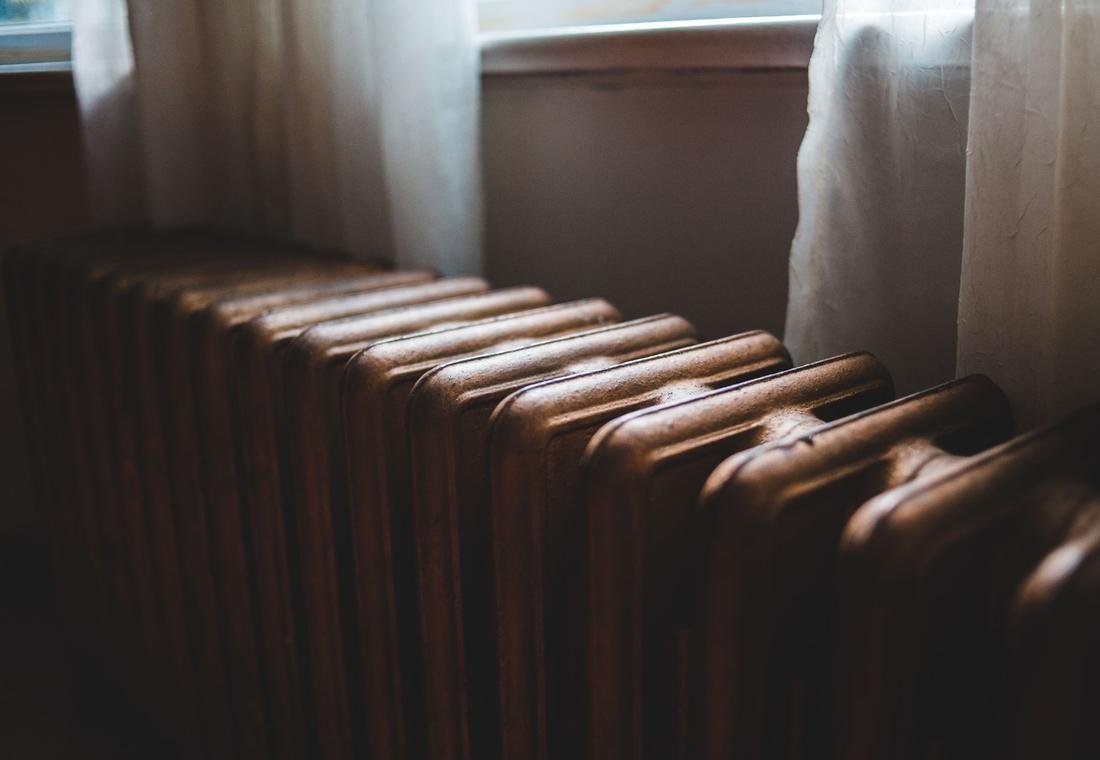
A furnace almost never fails in October. It fails on the first genuinely cold night, which is also when every HVAC company in the corridor has a queue.
Furnaces spend the summer idle, then get asked for full output on the first cold night of the year. Parts that were marginal in March fail under that load in November — which is why the first cold snap produces a queue at every HVAC company in the Cincinnati-Dayton corridor at once.
The fix is boring: a pre-season inspection in the shoulder months. It is the difference between replacing an ignitor on a Tuesday afternoon in October and waiting in line at 2am in January.
What we service
Gas furnaces — ignition, flame sensing, gas valves, control boards
Blower motors, capacitors and belts
Heat exchanger inspection for cracks
Thermostat faults and wiring
Venting, flue and combustion air checks
Full furnace replacement and upgrades
Heat exchangers and carbon monoxide
A cracked heat exchanger can put combustion gases into the air your family breathes, and it is not something to guess about. We inspect it as part of any furnace service and, if we find a crack, we will show you what we found rather than just telling you the unit is condemned. If your home does not have working carbon monoxide detectors, that is the cheapest safety purchase you will ever make regardless of who services your furnace.
Repair or replace
Age, the failed component, and the cost of the repair against a replacement. We give you the numbers. If your furnace has years left and needs a two hundred dollar part, we will fit the part.
How we work
Diagnosis before parts
The fastest way to spend your money badly is to replace components until the symptom goes away. We measure first.
We take readings. Pressures, temperature split, electrical values — not a guess based on what usually fails.
You see what we found. If a part is out of spec we will show you the number, not just the invoice line.
You get the arithmetic. Repair cost against replacement cost against remaining life. Then you decide.
No scare selling. If your system has years left in it we will say so, even when a replacement would be the bigger ticket.
Call and we will give you a real arrival window rather than a vague day. No-heat calls take priority over routine maintenance, particularly in a cold snap.
How do I know if my heat exchanger is cracked?
You generally cannot tell without an inspection - that is the danger of it. We check it as part of furnace service, and if we find a crack we will show you rather than just declaring the unit dead. Working carbon monoxide detectors are essential regardless.
Is a pre-season inspection actually worth it?
It is the single cheapest thing you can do to avoid a 2am no-heat call in January. Most failures we see in November were visible as a marginal part in October.